August 02, 14:35
Trump Restores Tariffs on 60 Partners as Bitcoin Faces Fed Pressure
Trump’s legal loophole around the Supreme Court is keeping inflation alive – and trapping Bitcoin in the Fed’s crosshairs

CryptoSlate
Key Point
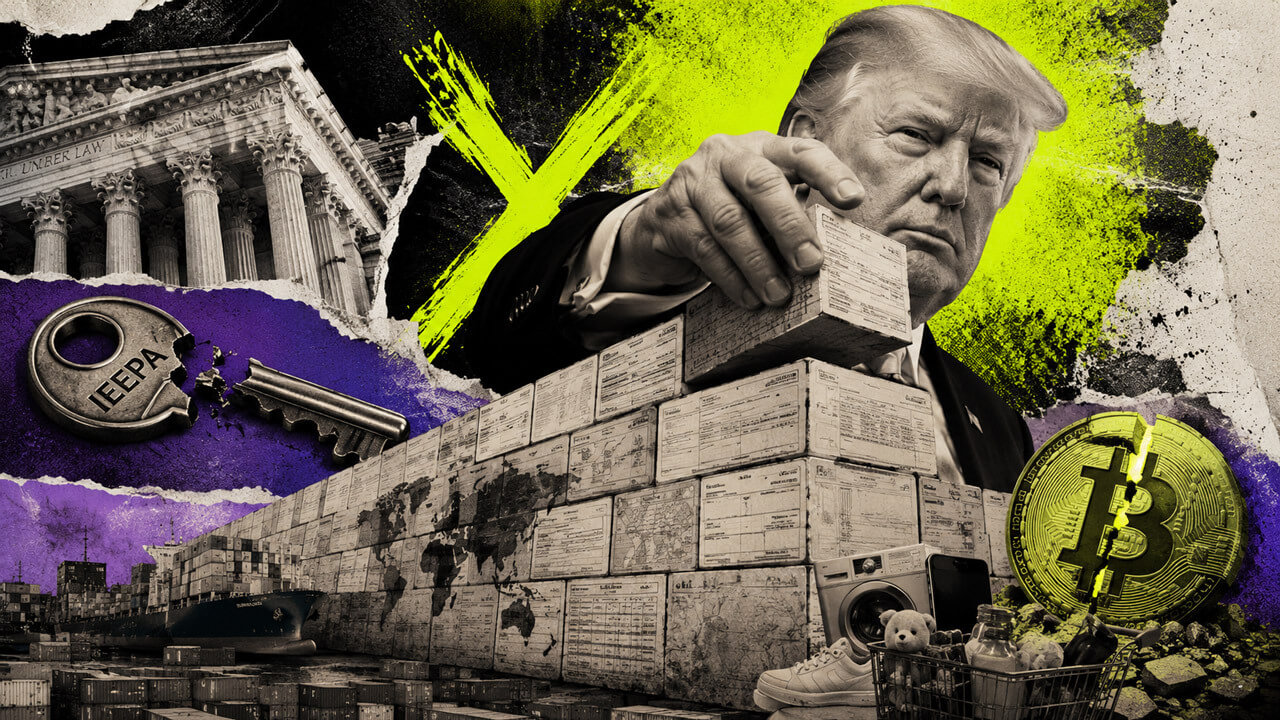
The Trump administration rebuilt its tariff system after the Supreme Court ruled on Feb. 20 that IEEPA does not authorize the president to impose tariffs. Trump invoked Section 122 for a temporary 10% import surcharge beginning Feb. 24, but the surcharge could last no more than 150 days without Congress. The administration initiated 60 separate Section 301 investigations on March 12 over forced labor import enforcement. USTR concluded in June that the targeted economies’ policies were unreasonable and burdened American commerce. By July 24, goods from 60 trading partners faced additional duties that were mostly 10% or 12.5%, with exemptions and product-specific treatment.
Why it matters: Tariff costs may keep inflation pressure tied to Fed policy, which could keep BTC exposed to yields and dollar strength.
Market Sentiment
Cautiously Bearish, Risk-off, Policy-driven, De-risking.
Reason: The rebuilt tariff system may keep inflation pressure tied to Fed policy, which can reduce demand for high-volatility assets.
Similar Past Cases
The 2018–19 U.S.-China trade war changed trade flows long after the first tariff shock, and PIIE found that Chinese products hit with 25% tariffs fell about 40% in U.S. imports by January 2025 versus June 2018. (PIIE) The difference is that the current tariff system uses forced labor enforcement and Section 301 procedure rather than the earlier bilateral U.S.-China tariff channel.
Ripple Effect
Tariffs could move from import costs to inflation expectations, then to Treasury yields and crypto risk limits. If yields and the dollar strengthen after tariff updates, then BTC liquidity could weaken through tighter institutional positioning. If courts narrow the tariff framework, then the macro pressure channel could ease.
Opportunities & Risks
Opportunities: If inflation expectations ease and Fed rate pricing turns less restrictive, then adding exposure after leverage cools can capture a cleaner macro setup.
Risks: If Treasury yields and the dollar rise after tariff updates, then reducing leveraged exposure limits downside from a policy-driven risk-off move.
This content is an AI-generated summary/analysis for informational purposes only and does not constitute investment advice.