October 28, 19:01
CFTC chief sees AI advancing autonomous trading, raises oversight questions
CFTC chief poses questions about policing AI but calls it a road to 'autonomous trading'

CoinDesk
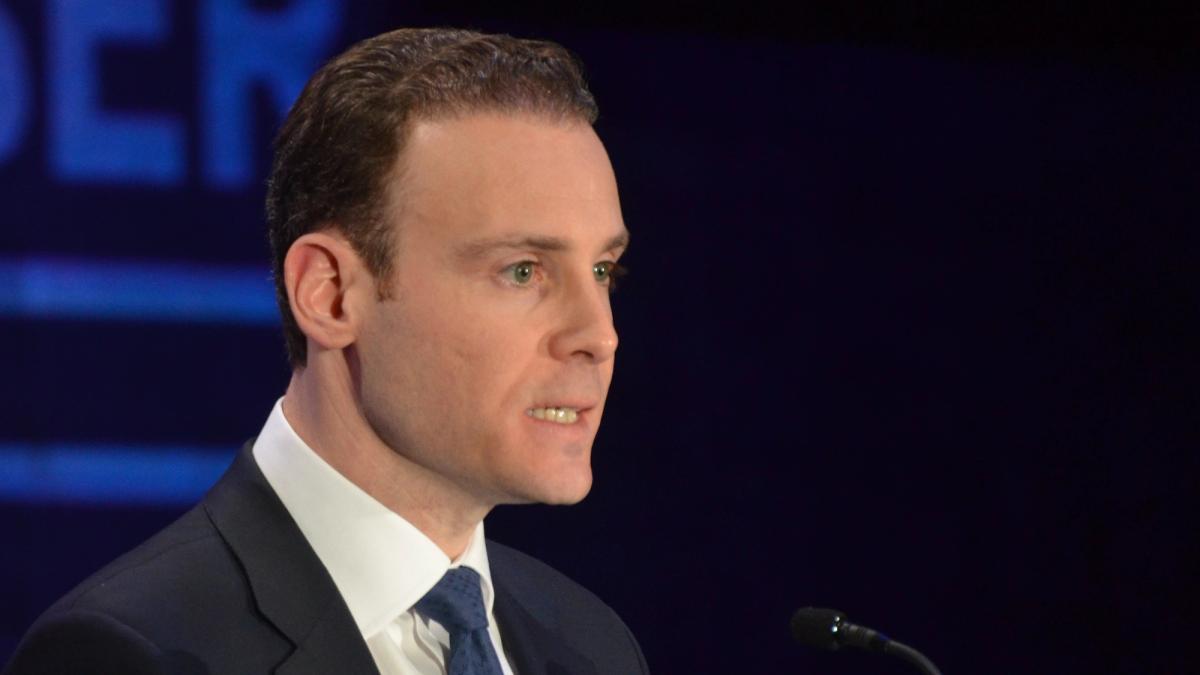
CFTC Chairman Mike Selig said AI could transform financial markets and advance increasingly autonomous trading at an agency forum on Wednesday. The U.S. Commodity Futures Trading Commission has welcomed developments in crypto, prediction markets and AI. Selig said combining superintelligence, crypto and modern financial infrastructure could broaden access to advanced financial tools. Selig said that combination could also improve businesses' risk management and generate new kinds of economic activity.
Panelists used President Donald Trump's preferred term, "super intelligence", or SI, apparently as a condition of participation. However, the panelists' companies or social media accounts continued using the customary terminology outside the forum. Selig argued that describing the technology as "artificial" is inaccurate and that the term should be abandoned. Selig compared the technology's reality and potential impact with the printing press, steam engine and internet.
Selig said CFTC staff already rely heavily on AI to oversee derivatives markets. Selig asked whether a developer would need regulatory registration when an AI agent finds trading opportunities and carries out transactions for a user. Selig also asked who would bear liability if a trading agent acted improperly. Regulators could struggle to identify the people behind non-human trading entities. Selig asked whether regulators need a new identification framework, potentially called "know-your-agent", or KYA, to establish whom an agent or group of agents represents.
Selig suggested that experience regulating crypto could guide the CFTC's approach. Selig said developers and entrepreneurs had spent years uncertain whether publishing software or building user interfaces could trigger requirements intended for traditional financial intermediaries. Selig said the CFTC under Selig's leadership had sought to clarify those questions. Selig illustrated the possibilities with a hypothetical refrigerator buying groceries autonomously using money earned by launching a memecoin or staking ether. Selig said regulators must carefully consider how to oversee this technology intelligently.
Brett Harrison, CEO of AI derivatives exchange firm Architect, spoke as the first panelist. Harrison formerly led FTX's U.S. arm before the crypto exchange collapsed amid a global fraud scandal. Harrison said consumer tools including Claude, ChatGPT and Gemini let users interpret unstructured information, such as news, and formulate trading decisions. Harrison said AI allows large firms to expand analysis exponentially while reducing barriers for smaller firms. Harrison said AI coding tools can build market-access algorithms, process data and generate fair-value signals. Harrison said those capabilities mean a substantially larger share of market participants, ranging from retail traders to institutions, now use black box algorithms to trade markets including derivatives.
This content is an AI-generated summary/analysis for informational purposes only and does not constitute investment advice.