November 18, 21:15
Trump administration launches center to combat crypto fraud and cybercrime
Trump Administration Unveils Project to Combat Cybercrime

Bloomberg
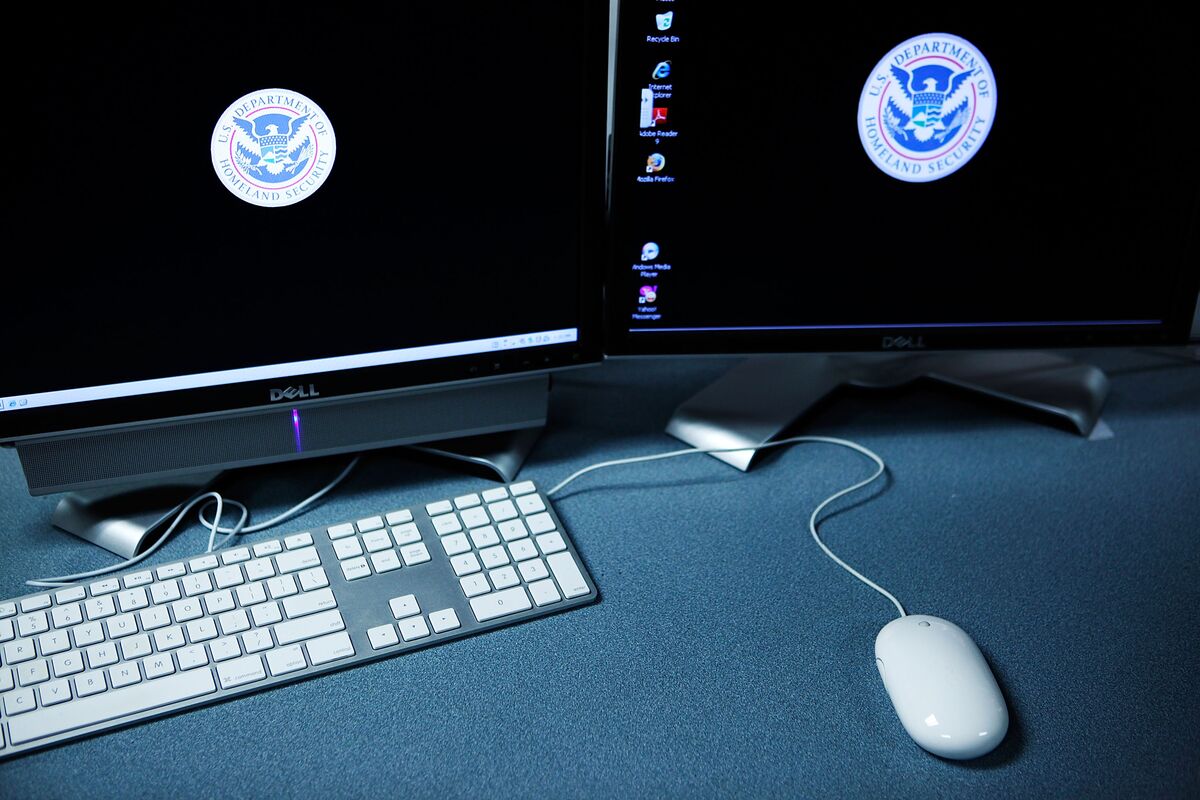
The Trump administration is launching the Threat Disruption Center to counter rising crypto fraud and other cybercrime targeting Americans. Criminal networks operating outside the United States are responsible for most of these attacks. The administration said Wednesday that the center will supply technology and coordinate collaboration for the Homeland Security Task Force.
The center brings together more than 30 federal agencies and more than 440 state and local partners. The center will supply tools for handling scam victims' complaints and identifying the networks running criminal operations. The administration is establishing the effort under an executive order that Trump issued in March. The order directed government agencies to formulate a response to cybercrime and fraud. The order described those crimes as consuming families' lifetime savings, taking away the rewards of years of work and devastating young people's lives.
Eric Weindorf, deputy director of the Homeland Security Task Force's National Coordination Center, said the center will identify victims and track stolen funds to perpetrators. Weindorf said the center will identify perpetrators' crypto wallets and then try to find additional victims. The government is paying TRM Labs Inc. about $95 million for technical support. TRM will provide an artificial intelligence platform as the center's main investigative tool. More than 60 TRM employees are contributing to the project. TRM chief executive Esteban Castaño said TRM is exploring how AI can assess victim reports closer to real time and identify opportunities for rapid government action to recover money.
Victims in the United States and abroad reported almost $21 billion in cybercrime losses to the Federal Bureau of Investigation last year. The reported losses rose roughly 25% from the previous year. Losses involving cryptocurrency represented more than half of the total. Rising fraud has challenged local law enforcement, partly because many operations are based overseas. Recovering stolen money is nearly impossible, and criminals often convert the funds into cryptocurrencies such as Bitcoin or Tether.
The Brooklyn District Attorney's office established a Virtual Currency Unit three years ago in response to widespread fraud. Assistant district attorney Alona Katz leads the unit. The unit recently seized and disrupted more than 240 crypto-fraud websites and 112 computer servers under an Eastern European fraud group's control. The Brooklyn District Attorney's office described the operation as among the largest cyber disruptions conducted by a local prosecutor's office. Castaño described the Brooklyn District Attorney's office as a national pioneer in pursuing these threats. Castaño said the Threat Disruption Center will extend that approach throughout the federal government.
The government awarded TRM the one-year agreement in July without a competitive bidding process. Chainalysis, a TRM competitor, sued the Trump administration over the award process. Chainalysis alleged that the process was "arbitrary, capricious and unreasonable." The lawsuit was dismissed in September.
This content is an AI-generated summary/analysis for informational purposes only and does not constitute investment advice.