August 02, 12:03
$89M Coldcard Exploit Sends Bitcoin Holders Back to Exchanges
Unlike the FTX collapse, the $89 million Coldcard exploit has investors sending bitcoin back to exchanges

CoinDesk
Key Point
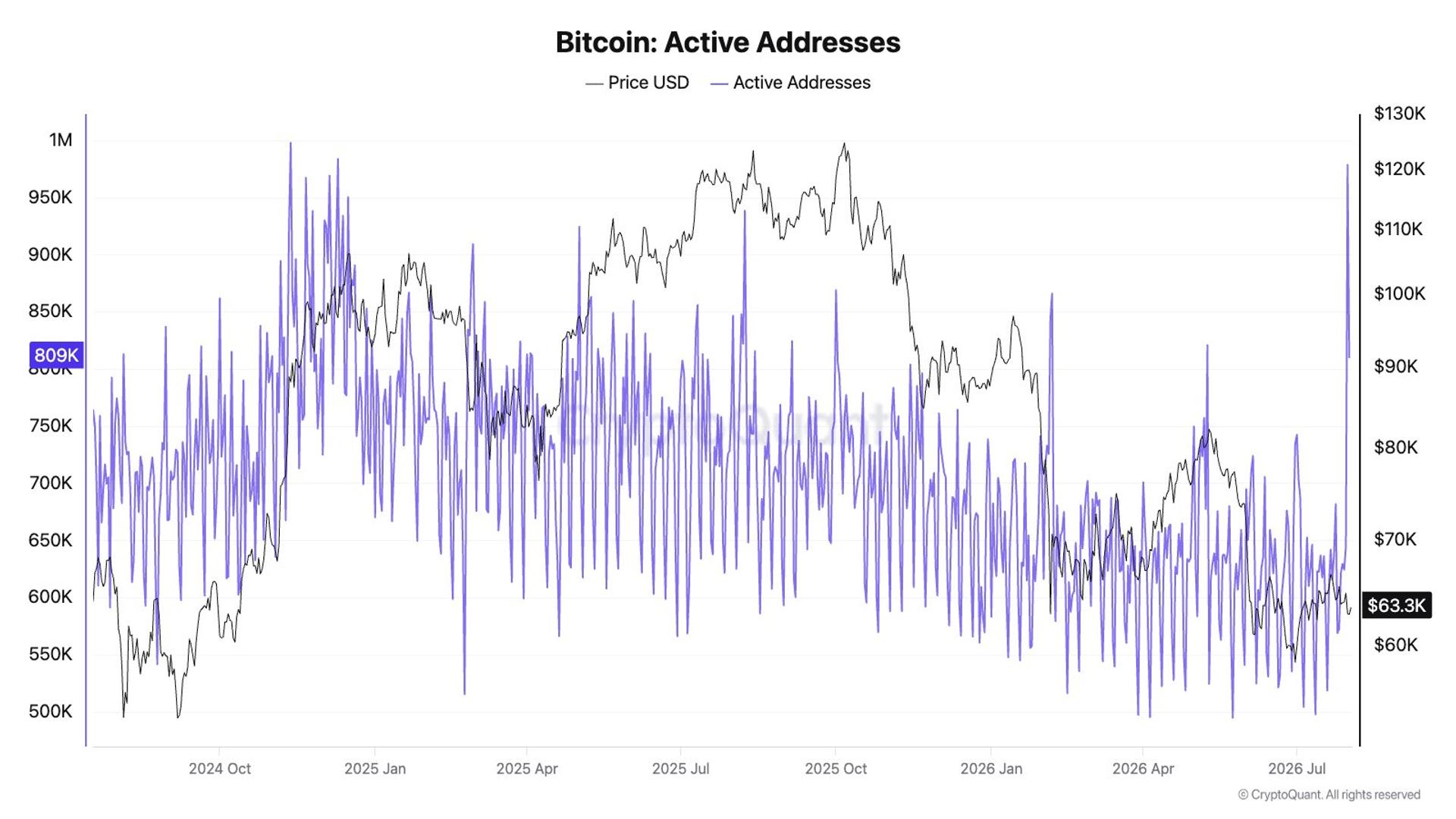
Coldcard, the Bitcoin-only hardware wallet made by Canadian firm Coinkite, is facing a major security incident after a firmware bug weakened how some devices generate seed phrases. Some Bitcoin holders are moving coins onto exchanges after the $89 million Coldcard exploit raised questions about hardware wallets and self-custody. CryptoQuant's Julio Moreno said daily exchange deposits of Bitcoin transfers under 10 BTC spiked yesterday [Friday] to 7.3K BTC, the highest since February 6. Moreno said the spike could be related to the Coldcard hack as people move holdings while looking for safety. This on-chain flow is the opposite of the large withdrawals seen after FTX's collapse in late 2022.
Why it matters: A custody-confidence shock could change where Bitcoin liquidity sits and may affect near-term trading conditions.
Market Sentiment
Cautiously Bearish, Stress-on, Event-driven, Volatile.
Reason: Some Bitcoin holders are moving coins onto exchanges after the Coldcard incident, which points to reduced confidence in self-custody.
Similar Past Cases
After the FTX collapse, Bitcoin stood at $15,782 when FTX filed and later recovered to $94,334 by November 2024, showing that custody confidence shocks can create long recovery paths. (IFR) Difference: FTX was a centralized exchange failure, while Coldcard is a self-custody hardware-wallet incident with the opposite flow direction.
Ripple Effect
The main channel is custody confidence, because users may shift coins between self-custody and exchanges when security risk feels concentrated in one custody model. If exchange deposits stay elevated, then trading venues may gain liquidity while self-custody confidence weakens. If the incident remains limited to affected devices, then broader Bitcoin market impact may stay contained.
Opportunities & Risks
Opportunities: If Coinkite publishes a clear firmware fix and exchange deposits normalize, then adding Bitcoin exposure after confirmation can reduce custody-headline risk.
Risks: If exchange deposits remain elevated or more affected devices are reported, then reducing leveraged Bitcoin exposure can limit downside from a confidence shock.
This content is an AI-generated summary/analysis for informational purposes only and does not constitute investment advice.