3 hours ago
Senate Passes Housing Bill That Would Block Fed Retail CBDC Through 2030
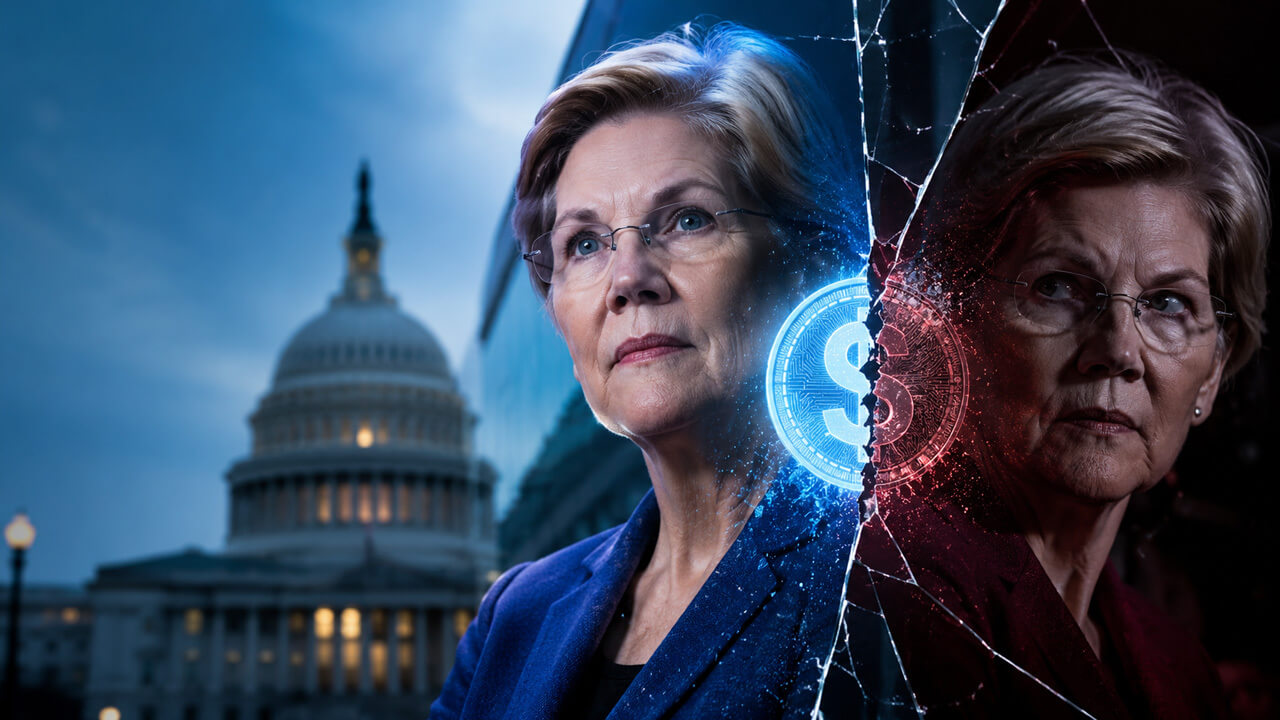
Elizabeth Warren once said CBDCs have a “great promise” – Now she’s helping block it

CryptoSlate
Key Point
Late Monday, the US Senate passed the 21st Century ROAD to Housing Act in an 85-5 vote. Elizabeth Warren co-authored and advanced the bipartisan package after saying in 2021 that central bank digital currency had great promise. One provision would block the Federal Reserve from launching a retail digital dollar through at least the end of 2030. After the freeze expires, the Federal Reserve would need explicit, affirmative authorization from Congress before moving forward with any substantially similar digital asset. President Donald Trump signed an executive order in January 2025 directing agencies to stop developing, establishing, or promoting a CBDC.
Why it matters: A statutory restriction could make future retail CBDC development harder to restart because Congress would control the next approval step.
Market Sentiment
Neutral, Policy-driven, Regulatory-driven.
Reason: The bill would block the Federal Reserve from launching a retail digital dollar through at least the end of 2030, which changes policy direction more than near-term trading demand.
Similar Past Cases
Facebook's Libra project faced regulatory pressure in 2019, and Visa, Mastercard, Stripe, eBay, Mercado Pago, and PayPal left the Libra Association before launch, weakening the digital currency effort. (The Guardian) The mismatch is that Libra was a private project, while the current restriction targets a possible public central bank digital currency.
Ripple Effect
A statutory limit could reduce the probability that a US retail CBDC becomes a near-term competitor to private digital-dollar rails. If Congress does not authorize a substantially similar digital asset after the freeze, then private stablecoin and bank-token projects may face less direct public-sector competition. If lawmakers revisit the restriction, then policy uncertainty could return to payment infrastructure and digital-dollar planning.
Opportunities & Risks
Opportunities: If Congress leaves the restriction intact through the freeze, then reduced public-sector competition is a potential support signal for private digital-dollar rails.
Risks: If Congress revisits the restriction or authorizes a substantially similar digital asset, then reducing exposure to policy-sensitive stablecoin infrastructure can limit headline risk.
This content is an AI-generated summary/analysis for informational purposes only and does not constitute investment advice.