November 19, 00:33
Fourth Circuit backs Maryland oversight of Kalshi in 2-1 ruling
Another U.S. appellate court goes against Kalshi, building the industry's legal headwinds

CoinDesk
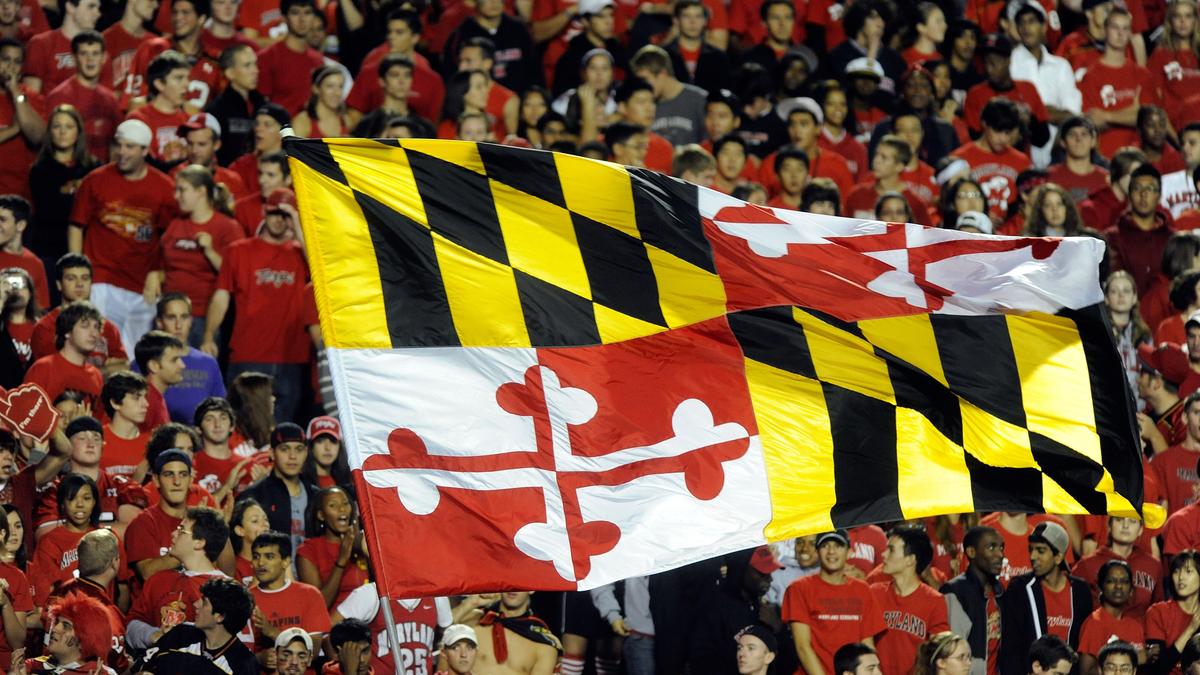
The U.S. Court of Appeals for the Fourth Circuit upheld lower-court findings on Wednesday that Maryland can regulate Kalshi under state sports-wagering laws. The judges ruled 2-1 in favor of state authority. Three of four appellate decisions involving prediction markets have now supported state oversight.
Judge Roger Gregory wrote that gambling regulation has traditionally belonged to the states' police powers. Gregory said Maryland's concurrent authority should not be considered displaced without a clear statement of congressional intent.
The Commodity Futures Trading Commission has given regulated exchanges 30 days to resume offering contracts across all 50 states. The deadline is approaching for operators including Kalshi, Polymarket and Coinbase. The directive requires nationwide availability rather than the geographic restrictions operators have imposed as many states order prediction markets to stop operating. Compliance would violate federal court orders. However, operators that do not comply could face action from the federal regulator.
Maryland Attorney General Anthony Brown said on Wednesday that Kalshi must satisfy the same consumer protection requirements as other sportsbooks serving Maryland residents. Brown said state licensing rules require sportsbooks to protect customer data and avoid misleading advertising. Brown said sportsbooks must also stop marketing to people prohibited from betting or vulnerable to gambling harm. Brown argued that federal commodities rules were not designed to deliver those protections.
A Kalshi spokeswoman argued that recent court decisions contradict one another. The spokeswoman said the latest ruling contained three conflicting opinions and demonstrated the absence of a coherent legal case against prediction markets. Despite differing judicial reasoning, a strong majority of judges increasingly rule against the industry. The conflicting views will leave regulatory uncertainty until the U.S. Supreme Court overrides the rulings.
Kalshi did not answer a question about how Kalshi plans to respond to the nationwide-service directive. CFTC spokespeople did not immediately answer whether the agency would enforce the directive despite conflicting federal court rulings. Court orders supporting state authorities have led to prediction-market bans in an increasing number of states. Those states include Utah, where the constitution prohibits gambling.
Democratic U.S. senators instructed the CFTC this week to withdraw the recent demand for prediction platforms to restore nationwide service. The senators will soon hold a majority that controls congressional oversight powers.
The industry and CFTC Chairman Mike Selig maintain that the event contracts are swaps traded on regulated derivatives exchanges, preempting state authority. Selig is the only commissioner serving on a commission designed to have five members. Selig is pursuing several prediction-market policies, including measures explicitly intended to define the contracts in ways that place regulatory authority with the CFTC.
This content is an AI-generated summary/analysis for informational purposes only and does not constitute investment advice.