3 hours ago
Coldcard Seed Bug Drains Wallets With About 1,000 BTC Moving
COLDCARD SECURITY RISK: IMMEDIATE ACTION REQUIRED

Bitcoin Magazine
Key Point
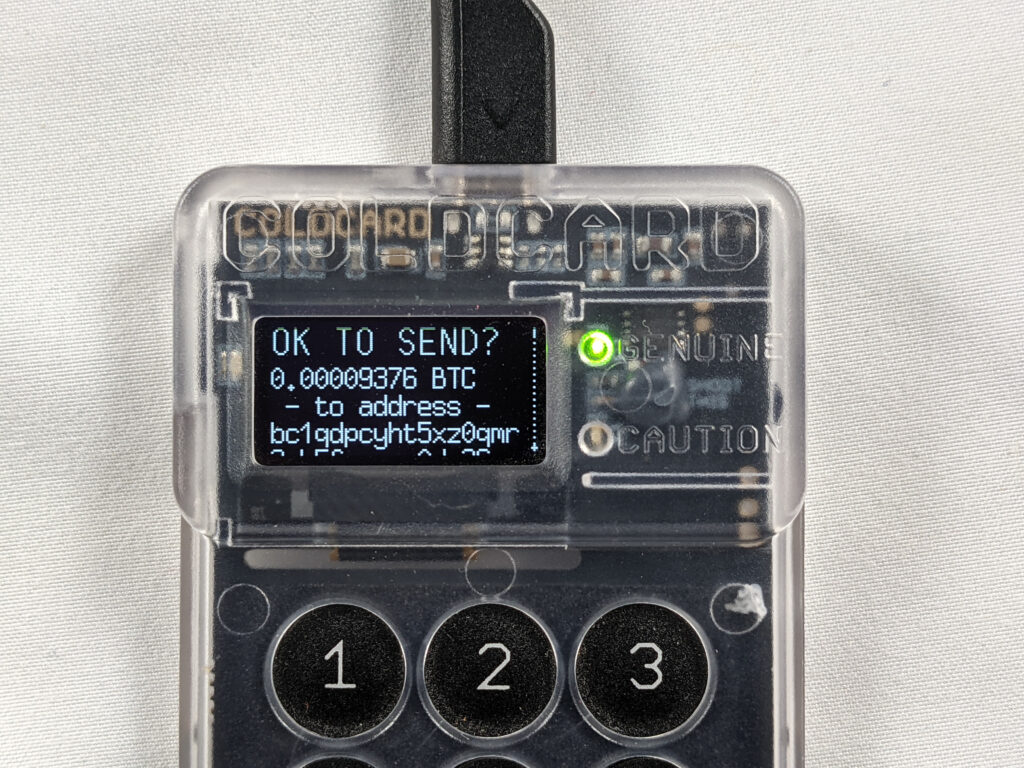
Coldcard MK3, MK4, MK5 and Q wallets are being drained after a bug allowed attackers to find seed phrases without user action. Wallets generated after the end of 2020 without at least 50 dice rolls did not have enough randomness and can be brute forced. About 1,000 BTC has been seen moving on-chain in activity connected to the vulnerability. The issue also affects ephemeral keys, session keys for Clone Coldcard or Key Teleport, and BIP 85 seeds generated from a compromised seed. Coinkite has released a firmware patch, and word seeds generated after this firmware update should be secure.
Why it matters: A custody flaw may force users to rotate keys quickly because seed exposure can convert a device issue into direct asset loss.
Market Sentiment
Bearish, Stress-on, Event-driven, De-risking.
Reason: Coldcard wallets are being drained after a seed-generation bug, which makes the market read this as an urgent self-custody risk.
Similar Past Cases
In 2023, Trust Wallet fixed a browser-extension wallet-generation vulnerability that led to $170,000 in user losses, and Trust Wallet said only users who created addresses in the affected browser-extension window were affected. (The Block) The difference is that the current issue centers on Coldcard seed generation and reported active BTC movement, so remediation depends on seed rotation rather than only extension updates.
Ripple Effect
Custody risk can spread through user migration, hardware wallet trust, and exchange deposit behavior rather than through protocol liquidity. If more vulnerable seeds are swept before users migrate, then confidence in self-custody tooling could weaken. If firmware adoption and seed rotation reduce new drains, then the impact may stay contained to affected Coldcard users.
Opportunities & Risks
Opportunities: If Coinkite firmware patch adoption and new seed generation stop connected on-chain drains, then affected users can treat verified migration as a potential security-stabilization signal.
Risks: If more on-chain movements connected to the vulnerability appear before users migrate funds, then reducing exposure from vulnerable seeds limits direct custody loss.
This content is an AI-generated summary/analysis for informational purposes only and does not constitute investment advice.