2 hours ago
Coldcard Urges Bitcoin Moves as Active Exploit Drains Up to $114M
Coldcard urges users to move bitcoin as active wallet exploit continues

CoinDesk
Key Point
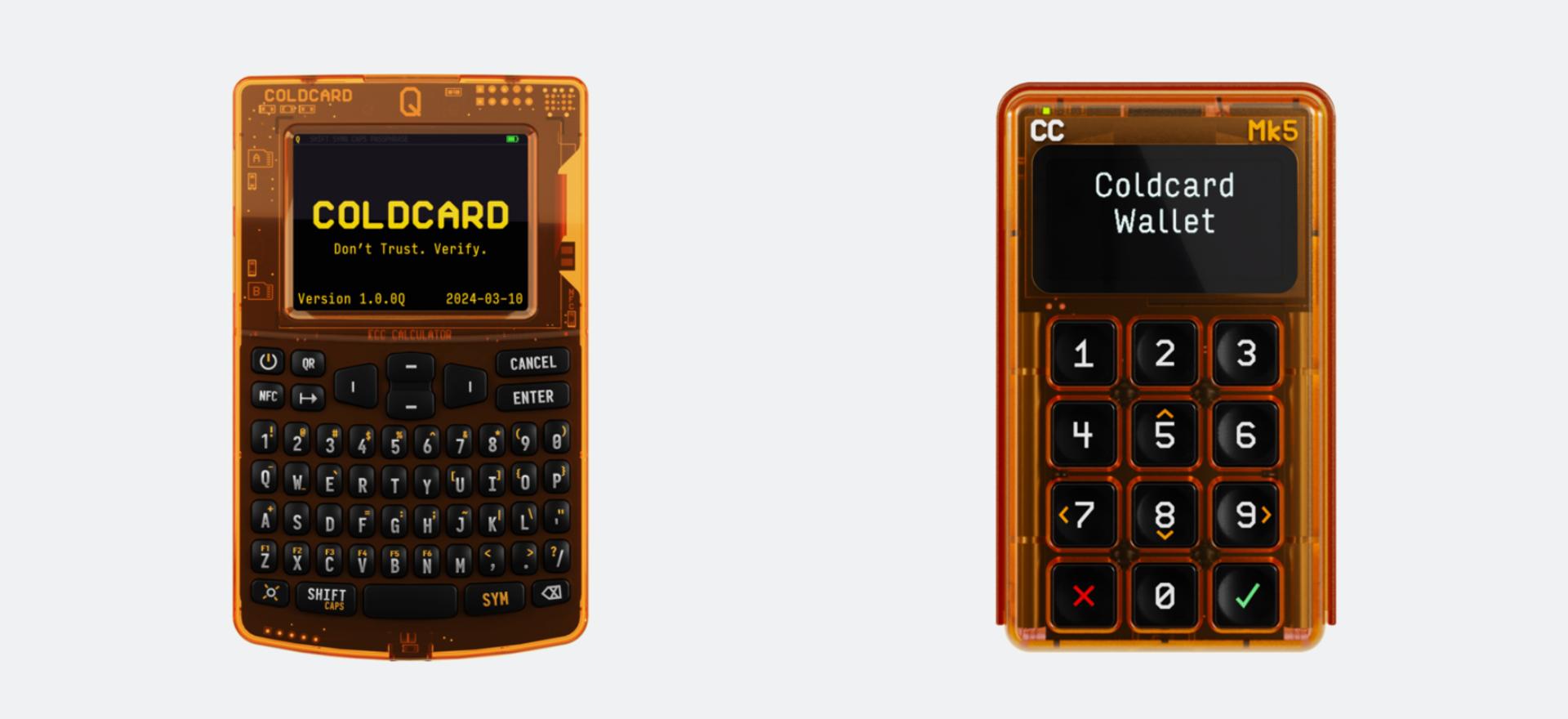
Coldcard developers told affected users to urgently move their bitcoin because the exploit is still ongoing and has drained as much as $114 million from self-custodied wallets. The vulnerability affects certain Mk3 devices set up on firmware 4.0.1 or later and Mk4, Mk5 and Q devices on older firmware. Wallets created using the dice-roll option are considered safe. Galaxy Research's revised count put a possible fourth sweep at roughly 449 BTC from 709 addresses. Coldcard said affected users should follow the advisory for their model, upgrade the device, generate a new seed, and carefully move funds.
Why it matters: A live wallet exploit can weaken confidence in self-custody tools and may force users to move funds quickly to reduce theft risk.
Market Sentiment
Bearish, Stress-on, Tech-driven.
Reason: The exploit has drained as much as $114 million from self-custodied wallets, which creates a direct security concern for affected users.
Similar Past Cases
In June 2023, the Atomic Wallet hack affected less than 0.1% of 5 million users, while Elliptic later put stolen funds above $100 million and reported $1 million frozen across exchanges. (Decrypt) The difference is that the Atomic Wallet incident involved a non-custodial app, while the Coldcard case is tied to specific hardware wallet firmware and Bitcoin seed generation.
Ripple Effect
The first channel is self-custody confidence, because users may move funds from vulnerable devices into newly generated wallets while the exploit remains active. If additional sweeps continue, then hardware-wallet users may demand clearer firmware-risk disclosures and seed-generation guidance. If migration instructions reduce new drains, then the impact may stay concentrated among affected Coldcard devices.
Opportunities & Risks
Opportunities: If a user owns an affected Coldcard model, then moving funds after following the model advisory is a direct risk-reduction action. If Coldcard confirms the threat is contained, then confidence in unaffected setups may stabilize.
Risks: If owners delay manual migration, then vulnerable wallets can remain exposed to further drains. If users rush migration without verifying seed handling, then operational mistakes can create additional loss risk.
This content is an AI-generated summary/analysis for informational purposes only and does not constitute investment advice.