November 27, 04:17
China, Japan, South Korea and ASEAN agree on digital payments and crypto working group
China, Japan, South Korea and ASEAN to form working group on digital payments, crypto regulation

The Block
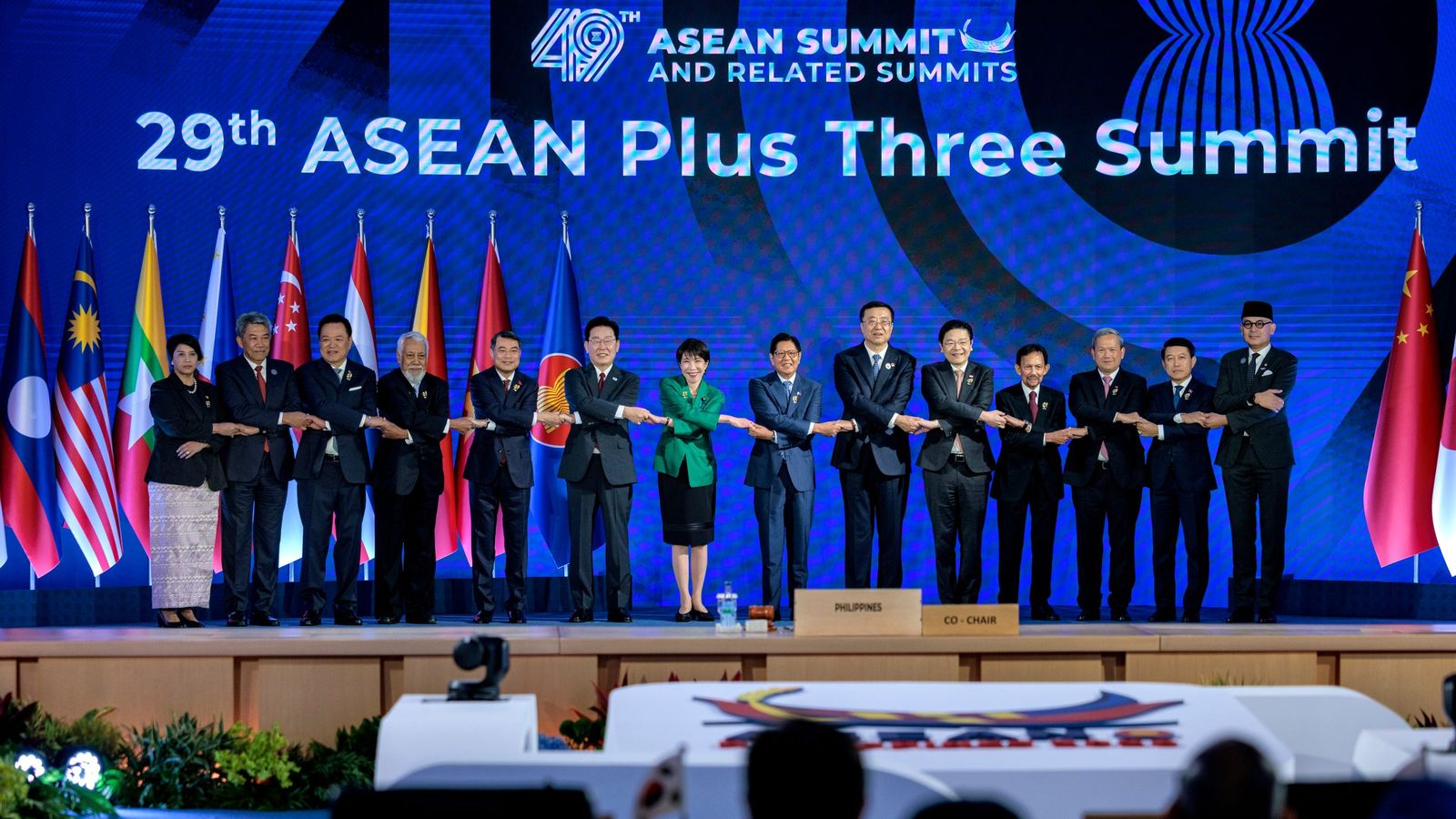
China, Japan, South Korea and ASEAN countries have agreed to create a working group covering cross-border digital payments and digital asset regulation. A statement issued Thursday said finance and central bank deputies met in Kyoto, Japan, this week to assess implementation of earlier ASEAN+3 ministerial and central bank guidance. The deputies discussed technological innovation, particularly cross-border payments and approaches to regulating crypto assets. The deputies agreed to establish the AMRO Cross-Border Digital Payments Program alongside the working group to support further policy discussions.
The Kyoto decision follows a meeting in Uzbekistan in May that designated cross-border digital payments as a new field for cooperation. Participants at the May meeting instructed deputies to develop arrangements by the end of 2026 for deeper policy discussions about retail and wholesale payment connectivity. The instructions also covered regulatory approaches to stablecoins. In a May statement, the group said innovation in cross-border payments, including tokenization, should build on local currency-based payment systems and remain consistent with global policy discussions.
An AMRO vacancy notice published last week sought a consultant specializing in cross-border retail payments. The notice indicated that the initiative could examine person-to-person payments, person-to-merchant payments, tourism, e-commerce and remittances. Finance ministers and central bank governors are expected to discuss the initiative further at the next meeting in Nagoya, Japan, in May 2027.
ASEAN+3 brings together 11 ASEAN member states with China, Japan and South Korea in an international cooperation framework. The 14 economies meet regularly on political and security issues, economic cooperation, and social and cultural matters.
Asian economies are increasing efforts to explore and test stablecoins and tokenization alongside the push for regional cooperation. Malaysia's and Thailand's central banks joined Singapore's BLOOM initiative last month to develop cross-border payments using stablecoins and tokenized deposits. Japan's leading financial regulators are examining tokenization of Japanese government bonds. Those regulators are also studying blockchain-based settlement for stocks and Japanese government bonds. South Korea is preparing for tokenized securities from 2027 and for local won stablecoins under the draft Digital Asset Basic Act. Earlier this month, the central banks of the UK, Singapore and Thailand said the central banks had completed a foreign exchange settlement trial connecting traditional and tokenized systems.
This content is an AI-generated summary/analysis for informational purposes only and does not constitute investment advice.