5 hours ago
American Bankers Association accuses OCC of undermining Congress on stablecoin rewards
American Bankers Association accuses OCC of undermining Congress with final stablecoin rewards rule

The Block
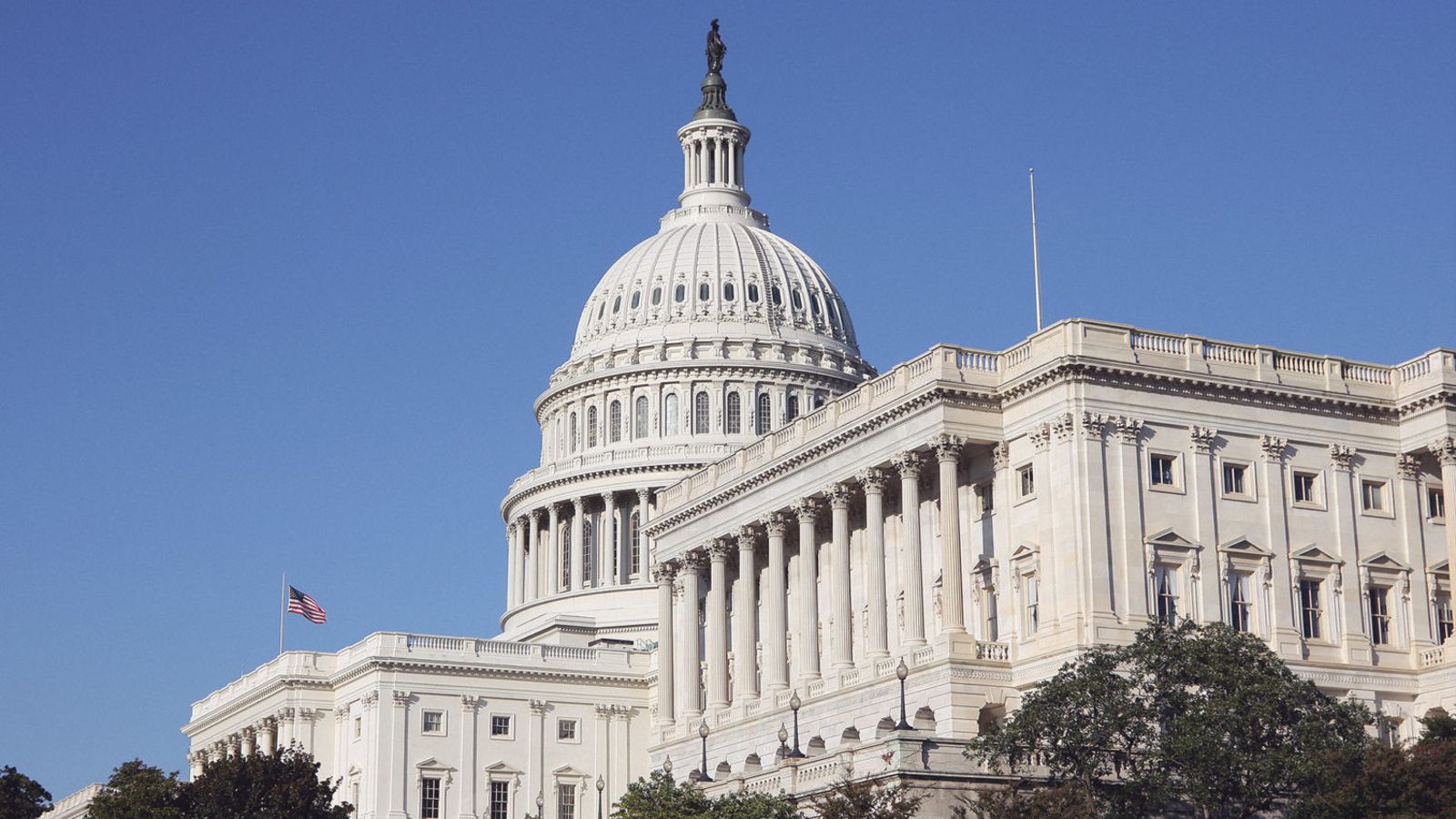
The Treasury Department's Office of the Comptroller of the Currency published a final rule on Wednesday implementing the GENIUS Act, which became law last year. The OCC removed a proposed presumption that certain arrangements involving stablecoin issuers and third parties could be unlawful. The decision renewed the dispute between banks and crypto platforms over stablecoin rewards, which let users receive interest on deposited funds.
The GENIUS Act prohibits stablecoin issuers from paying interest directly, but debate continues over whether third-party platforms such as Coinbase can pay interest. The OCC's initial proposal included the prohibition on direct interest payments by issuers. The proposal also presumed that some arrangements could be unlawful when issuers maintained certain business relationships with third parties. However, the final rule removes that third-party presumption. Third-party rewards were also contentious during negotiations over the Clarity Act, a broader crypto bill that has not advanced in the Senate.
The American Bankers Association accused the OCC of undermining Congress through the final stablecoin rewards rule. Association CEO Rob Nichols said on Wednesday that the rule maintains crypto platforms' ability to offer yield despite Congress's clear intention to safeguard local lending. Nichols warned that gaps in the rule risk blurring Congress's distinction between payment stablecoins and conventional bank deposits. Nichols said those gaps threaten the funds banks use to provide loans supporting the U.S. economy. Nichols welcomed the OCC's acknowledgment that further supervisory experience could inform future action. However, Nichols argued that responding only after deposit flight and economic damage occur is the wrong approach.
The Blockchain Association said removing the presumption makes the final rule more consistent with the statutory wording. Association Chief Policy Officer Lindsay Fraser said the OCC had translated Congress's framework into clear, practical standards covering reserves, redemption and risk management. Fraser said that clarity will bring greater innovation, competition and dollar-backed payments activity onshore under strong federal supervision.
A regulatory official told reporters on Tuesday that the issue would receive case-by-case treatment. Investment bank TD Cowen assessed the final rule as unfavorable for banks and said case-by-case treatment creates uncertainty. TD Cowen's Washington Research Group, led by managing director Jaret Seiberg, said on Wednesday that uncertainty about permitted and prohibited conduct will persist until courts rule. The group also warned that the winner of the 2028 presidential election could appoint a new comptroller with a different interpretation of evasion.
This content is an AI-generated summary/analysis for informational purposes only and does not constitute investment advice.