July 26, 13:40
Coinbase Brings Bitcoin and Ethereum Perpetual-Style Futures to US as CME Sues
Multi-trillion-dollar offshore engine driving 90% of crypto trading arrives in America – and CME is suing to crush it

CryptoSlate
Key Point
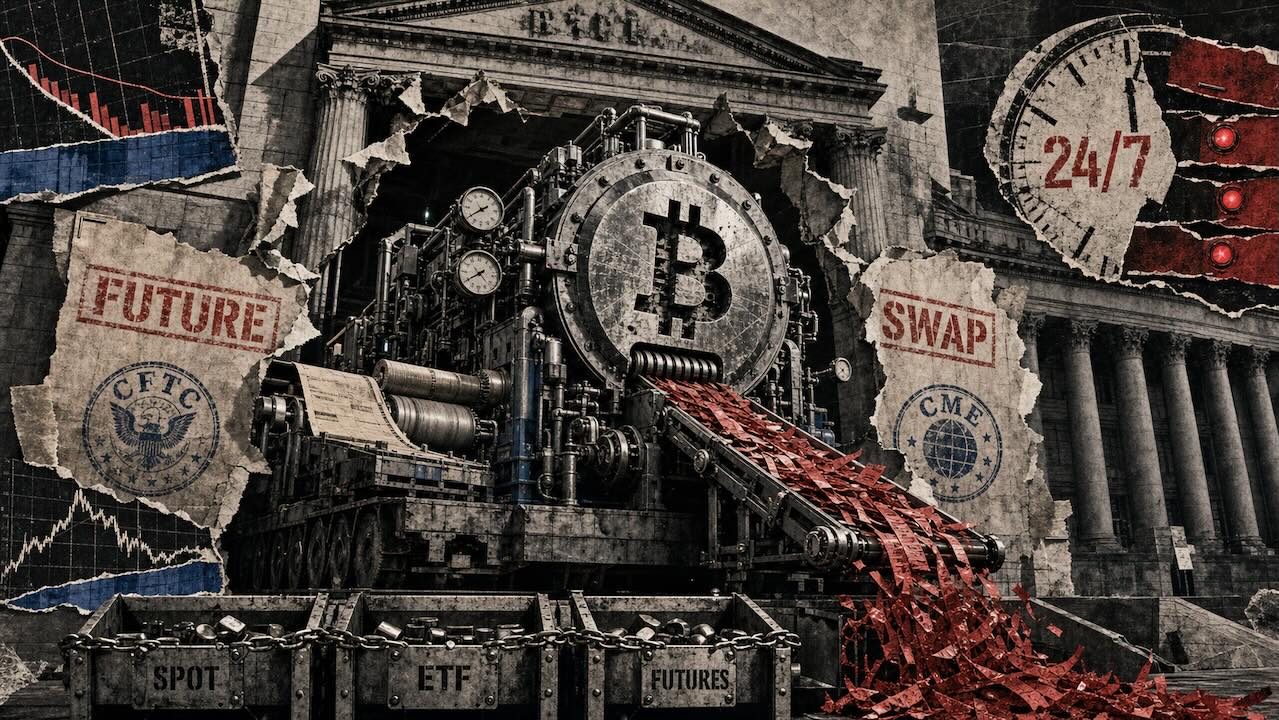
Coinbase began offering U.S. perpetual-style futures on its CFTC-regulated derivatives exchange, starting with nano Bitcoin and Ethereum contracts. Coinbase puts perpetual futures at upwards of 90% of derivatives volume in some measures, while derivatives account for roughly 80% of all crypto trading. The CFTC approved KalshiEX's BTCPERP on May 29 and issued a policy statement inviting other exchanges to bring similar contracts. The CFTC gave designated contract markets a conditional route on June 12 to remove expiration dates from existing perpetual-style crypto futures. CME sued the CFTC and Chairman Michael Selig on June 18 to vacate the Kalshi order and policy statement in a case where no ruling has come down.
Why it matters: Regulated perpetual access could shift leverage, funding, and price discovery into U.S. venues if the legal framework holds.
Market Sentiment
Neutral, Regulatory-driven, Volatile.
Reason: CME's lawsuit asks a judge to vacate the Kalshi order and policy statement, which keeps regulated U.S. perpetual access uncertain.
Similar Past Cases
In 2017, CME self-certified Bitcoin futures to launch on December 18, and the San Francisco Fed later said the CME futures launch coincided with Bitcoin's price peak and contributed to a reversal in price dynamics. (San Francisco Fed) The difference is that the current U.S. products use perpetual-style funding and automatic liquidations, while the 2017 CME product was a dated futures contract.
Ripple Effect
The main transmission channel is funding rates, because funding can pull spot, ETF, and dated futures activity toward leveraged perpetual positioning. If U.S. funding rates diverge from offshore funding rates, then traders may treat that gap as a signal of fragmented liquidity and different leverage demand. If liquidation engines drive forced orders during volatility, then spot prices may become more sensitive to margin pressure.
Opportunities & Risks
Opportunities: If the court leaves the Kalshi order and policy statement intact, then regulated perpetual liquidity may become a stronger access signal. Tracking funding before adding leveraged exposure reduces the risk of paying persistent funding costs.
Risks: If the court vacates the order or the CFTC route changes, then reducing reliance on domestic perpetual liquidity can limit execution risk. If funding gaps widen across venues, then smaller position sizes can reduce liquidation risk.
This content is an AI-generated summary/analysis for informational purposes only and does not constitute investment advice.