November 11, 07:13
US$42 billion Treasury auction draws weak demand amid inflation and rate hike fears
Inflation jitters throw wrench into US Treasury auction amid jumbo hike fears

SCMP
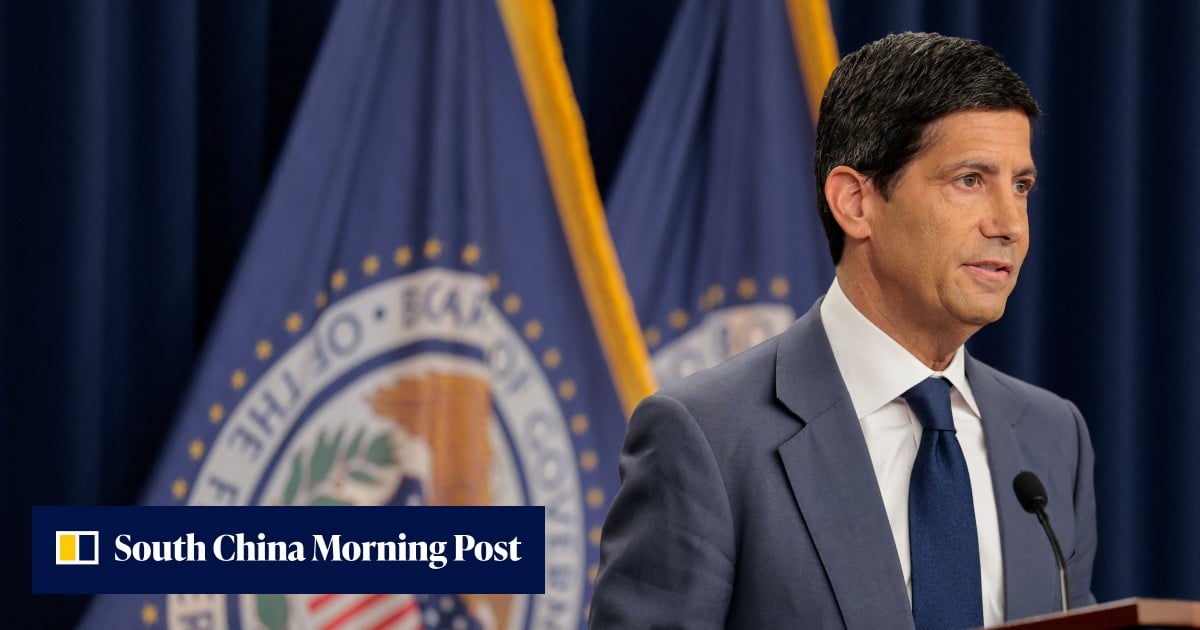
A US$42 billion auction of 10-year US Treasuries attracted weak demand following unexpectedly strong inflation and the prospect of an aggressive Federal Reserve rate increase. Those concerns triggered one of the sharpest bond sell-offs in months. The auction produced a yield of 5.02%, above the 5.01% secondary-market yield before subscriptions closed.
The sell-off interrupted a month-long recovery in US bonds that had benefited from disruption in AI-related trading and declining crude oil prices. The US bond market has faced rising funding costs, persistent inflation and reduced holdings by sovereign investors such as China and Japan for most of the year. Fed governor Christopher Waller said Waller would support a 50-basis-point rate increase if inflation was not contained.
US consumer prices increased 0.4% from the previous month in October, above economists' consensus forecast. Core inflation, which leaves out food and energy costs, accelerated to 0.3%, also exceeding the consensus estimate. The stronger-than-expected October inflation figures led rates traders to price in an almost certain Fed increase next month. Stephen Innes, managing partner at SPI Asset Management, said money markets had shifted from viewing a December quarter-point increase as nearly certain to considering a substantially larger increase.
The 10-year Treasury yield, which serves as a benchmark for mortgages and other loans, climbed above 5% again. The two-year Treasury, which is more sensitive to interest-rate changes, traded at a 4.7524% yield after an 18-basis-point rise on Tuesday, the largest increase in 19 months. CME Group put the probability of a 25-basis-point increase at next month's policy meeting at 85.3%. CME Group put the probability of a half-percentage-point increase at 14.7%. The Fed increased benchmark borrowing costs by a quarter point in September, the only increase since Kevin Warsh became chair in May.
The renewed turmoil may further support China's efforts to reduce dependence on the dollar and expand international use of the yuan. The turmoil will strengthen the case for China to continue reducing Treasury holdings to diversify foreign reserves and promote the yuan as a global reserve currency. The Treasury Department's figures show that China's Treasury holdings declined to US$590.7 billion in August, the lowest level in 18 months. Japan, the largest holder of US Treasuries, also reduced holdings that month amid speculation that Tokyo sold bonds to finance intervention in the foreign-exchange market.
Higher Treasury yields will further weaken the outlook for US hyperscalers, which suffered last week amid concerns about stricter government oversight. Higher capital costs are set to increase financial pressure on these cloud computing providers, which increasingly use bond financing for AI infrastructure investment.
This content is an AI-generated summary/analysis for informational purposes only and does not constitute investment advice.