a day ago
Circle asks SEC for cash treatment and zero capital haircut on regulated stablecoins
Circle wants SEC to erase a costly Wall Street rule holding stablecoins back

CryptoSlate
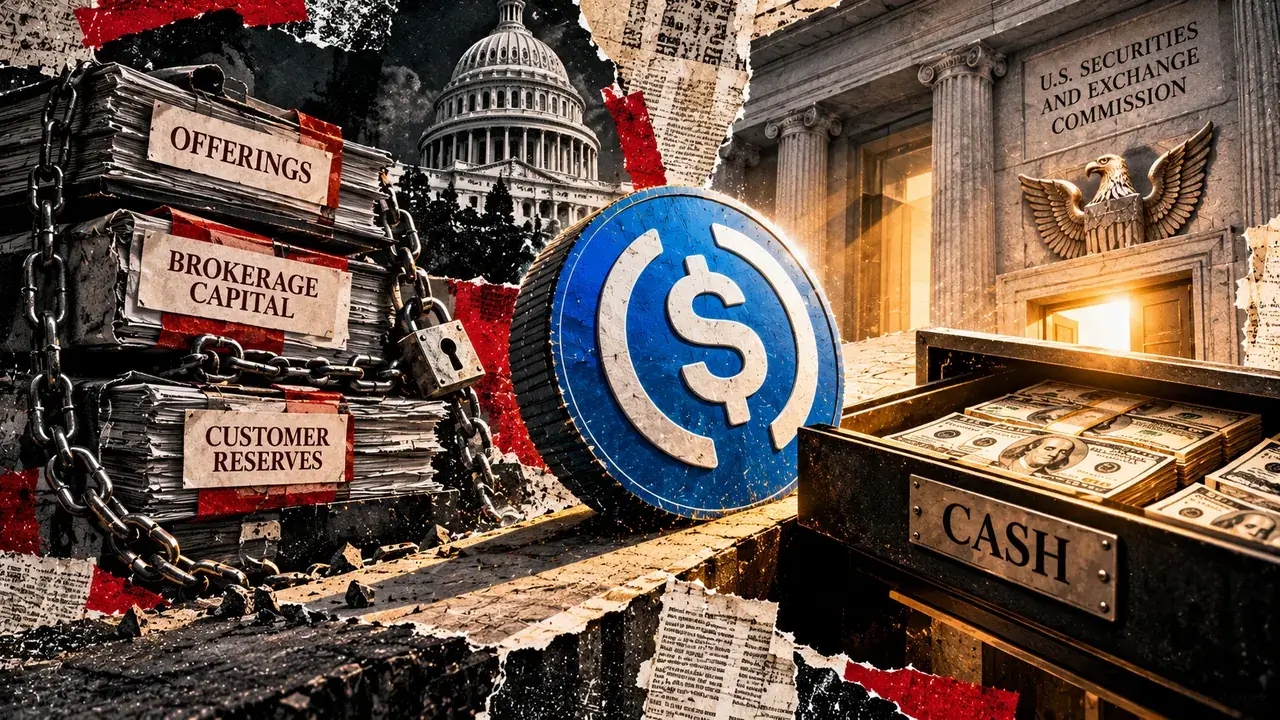
Circle is asking the US Securities and Exchange Commission (SEC) to recognize regulated stablecoins as cash across securities markets. Circle described the proposals in an October 28 statement after submitting an October 20 letter covering securities fundraising, broker-dealer capital and customer reserves. The changes could increase institutional demand for USDC by permitting stablecoin use in activities subject to cash-specific rules. The SEC has not approved the requests, leaving uncertainty about whether stablecoins can receive cash-like treatment under existing securities rules.
Circle submitted the letter in response to the SEC's proposed Regulation Crypto Assets, a framework for fundraising through certain cryptocurrency offerings. The proposal includes an exemption permitting companies to raise up to $5 million over four years. A second exemption would permit offerings totaling up to $75 million annually, with disclosure obligations and other conditions. Circle supports the framework but seeks confirmation that payment stablecoins meeting GENIUS Act standards qualify as cash for these offerings.
The proposal already permits eligible stablecoins to count toward fundraising totals. However, Circle wants companies receiving eligible stablecoins to follow the procedures available for conventional cash contributions. Without clarification, companies could encounter different requirements for bank-transfer payments and blockchain-based dollar payments. Circle also requests valuation at the corresponding dollar amount for qualifying dollar stablecoins that remain redeemable one-for-one. The requested treatment would avoid extra valuation requirements arising solely from blockchain payments. Circle argues that accepting stablecoins should not automatically impose the securities obligations associated with the offered assets on the payment tokens or stablecoin issuers.
The GENIUS Act created a federal regulatory framework for stablecoin issuance, reserves, redemption and supervision. The Office of the Comptroller of the Currency has finalized implementing rules. The legislation and regulations are scheduled to become effective on January 18, 2027. Circle argues that these protections support recognizing compliant stablecoins as instruments for payments and settlement throughout financial markets. However, the law's requirements for issuers do not automatically determine stablecoin treatment under every securities rule. Circle seeks additional SEC recognition to resolve those separate requirements.
Circle also proposes changes intended to make stablecoins more attractive to Wall Street broker-dealers. Regulatory capital calculations determine securities firms' capacity to support trading and absorb potential losses. SEC staff guidance revised in February permits a 2% haircut when broker-dealers calculate net capital for qualifying stablecoins held in proprietary accounts. For example, the haircut would lower recognized net capital by $20 million for a qualifying proprietary position worth $1 billion. Circle requests no deduction for payment stablecoins meeting GENIUS Act requirements. Circle argues that the law's protections concerning reserves, redemption, liquidity and consumers warrant more favorable treatment than other digital assets receive.
Eliminating the haircut could release regulatory capital for broker-dealers with substantial stablecoin holdings and make stablecoins more attractive for institutional operations. However, the current 2% treatment rests on nonbinding staff guidance, not a Commission rule. A zero haircut would need further regulatory acceptance. The benefits would depend on the size of brokers' stablecoin inventories.
Circle separately seeks clarification of the SEC's customer protection requirements. Rule 15c3-3 requires broker-dealers to hold eligible assets in reserve accounts that protect customer funds. The existing requirements contemplate cash and qualified securities. Circle asks whether compliant payment stablecoins can meet those obligations, potentially letting firms hold digital dollars for part of the required reserves. Recognition could provide another institutional use for USDC, but separate regulatory action and safeguards would be necessary.
This content is an AI-generated summary/analysis for informational purposes only and does not constitute investment advice.