5 hours ago
OpenAI, Google and Meta compete for AI domains as crypto firms seek naming rights
OpenAI, Google and Meta battle for AI internet domains as crypto firms target .bitcoin and .wallet

CryptoSlate
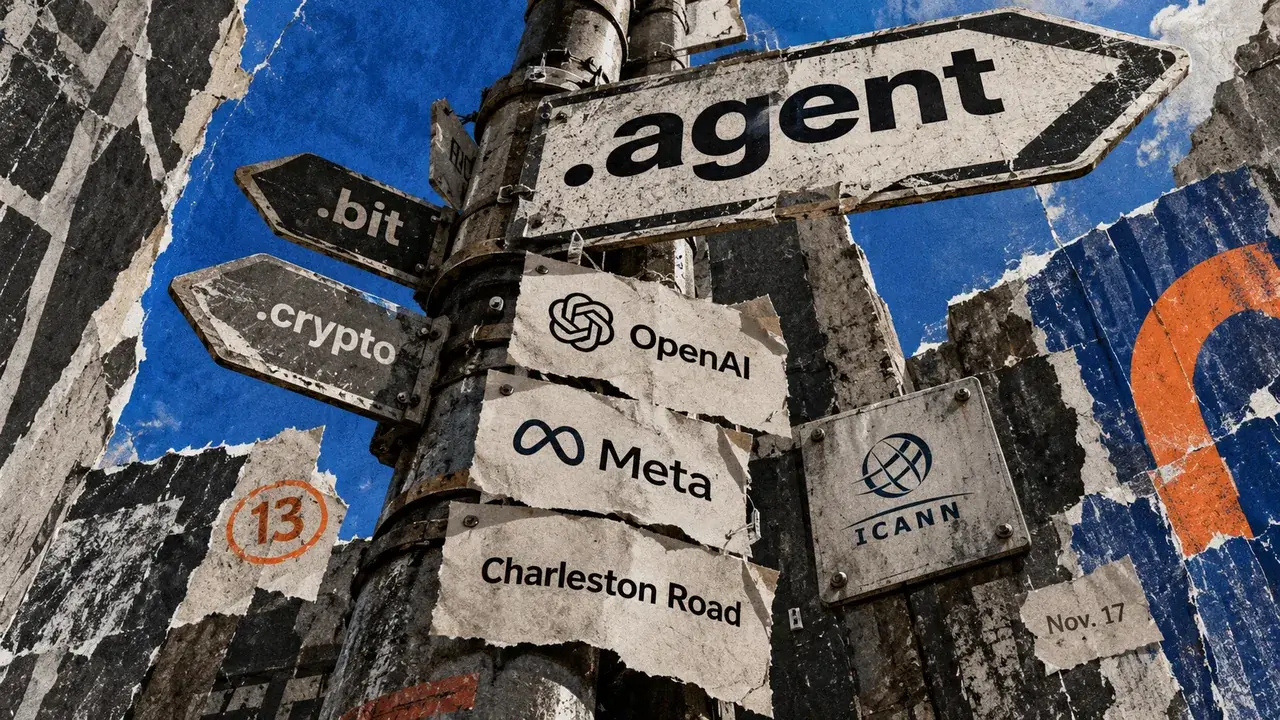
OpenAI, Google and Meta are competing for AI-related internet domains as cryptocurrency firms pursue digital naming rights, including .bitcoin and .wallet. The Internet Corporation for Assigned Names and Numbers (ICANN) revealed 1,615 applications on Oct. 7. The round is the first application round for new generic top-level domains since 2012.
Application records show that OpenAI submitted applications for 15 extensions. Alphabet's Google is competing for several of the same names. Meta is pursuing extensions associated with Meta's artificial intelligence products. Anthropic applied for two extensions.
The applications reflect how technology companies are positioning themselves for a future in which AI agents increasingly interact with websites, software services and potentially financial infrastructure. A successful top-level domain registry operator could manage registrations and collect fees for addresses using the extension, subject to ICANN's rules. Each standard application carries a $227,000 evaluation fee. Competition for particularly valuable names could eventually lead to auctions. Google's registry subsidiary paid $25 million in a 2015 ICANN auction.
Cryptocurrency companies are seeking extensions associated with digital assets, blockchain networks and online payments. The interest reflects an effort to secure naming infrastructure that could eventually connect conventional internet addresses with blockchain-based identities and financial services. The Cardano Foundation said on Oct. 8 that the foundation's application was advancing to the next stage of ICANN's process. The application could potentially bring the blockchain's name into the global internet domain system. Frax Finance also disclosed a domain application and outlined ambitions to connect internet naming with on-chain ownership, payments and AI-driven commerce.
The applications add another dimension to competition between AI and crypto infrastructure providers as autonomous software increasingly gains the ability to initiate payments and interact with digital wallets. However, approval of a crypto-related domain would not automatically enable blockchain transactions or wallet functionality. Those services would require additional technical integrations. None of the contested domains has been awarded.
This content is an AI-generated summary/analysis for informational purposes only and does not constitute investment advice.