US banks weigh lawsuit over OCC crypto trust charters as stablecoin queue grows
US banking lobby weighs lawsuit against OCC over crypto, fintech national trust charters: report

The Block
Key Point
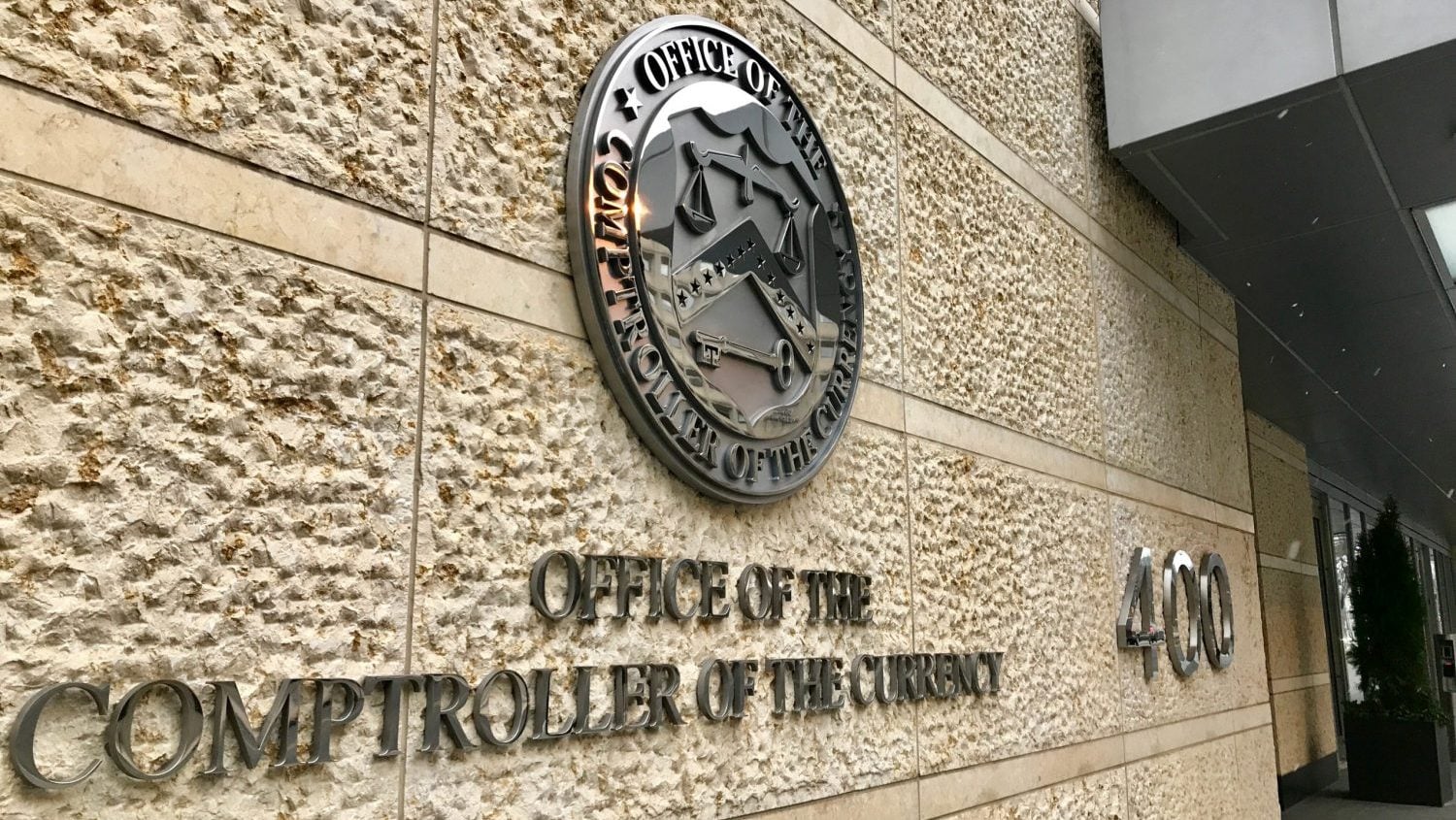
The Bank Policy Institute is considering filing a lawsuit against the US Office of the Comptroller of the Currency over the OCC’s move to grant national trust bank charters to crypto and fintech firms, according to The Guardian. Banking groups say the OCC has reinterpreted federal licensing rules so that these firms receive a federal imprimatur without meeting the same capital and compliance requirements as traditional banks, in a way that aligns with a broader push to integrate digital asset firms into the mainstream financial system. The American Bankers Association intensified this resistance in February by urging the OCC to suspend approvals for uninsured crypto trust charters until the agency confirms that its receivership and resolution tools are sufficient for uninsured national banks. Other opponents of the OCC’s pro-crypto stance include the Conference of State Bank Supervisors and the Independent Community Bankers of America. On Dec. 12, 2025 the OCC granted conditional national trust bank charter approvals to Ripple, Circle, BitGo, Fidelity Digital Assets, and Paxos, marking the first time it conditionally approved multiple crypto-native firms at once. The queue of applicants has since grown to include Crypto.com, Revolut, and World Liberty Financial’s WLTC affiliate, which seeks to use a charter to issue and custody its USD1 stablecoin that has more than $3.3 billion in circulation. The OCC also proposed rules last month to implement the GENIUS Act, which sets federal standards for payment stablecoins, including one-to-one reserve backing and a statutory ban on issuers directly paying yield.
Why it matters: This clash over national trust charters and stablecoin standards could shape how quickly regulated crypto banks and dollar-backed tokens gain mainstream access to the US financial system.
Market Sentiment
Cautiously Bullish, Regulatory-driven.
Reason: The OCC’s decision to grant conditional national trust bank charters to several crypto firms despite organized banking-industry opposition supports a cautiously positive view on long-term regulated adoption.
Similar Past Cases
Regulatory conflicts over new banking charters for fintech or crypto-related firms have typically produced slow, negotiated outcomes where companies continue to operate but under tighter conditions and clearer oversight. A key difference in the current situation is that Congress has already enacted a dedicated stablecoin framework through the GENIUS Act, which could anchor how any eventual court ruling or settlement treats these national trust charters.
Ripple Effect
This dispute could influence whether more stablecoin issuers and digital asset custodians choose national trust bank charters instead of state regimes, which would affect where US dollar liquidity and on-chain settlement activity concentrate. If courts or regulators significantly restrict these charters, the result could be slower growth and greater fragmentation among regulated stablecoins, while continued approvals under GENIUS Act standards could pull more activity into OCC-supervised entities.
Opportunities & Risks
Opportunities: If the OCC finalizes GENIUS Act rules and continues granting national trust charters on similar terms, that would signal that US policymakers accept expansion of regulated stablecoin and custody businesses under clear federal standards. In that case, investors who focus on this theme can treat such confirmations as a potential entry or add-exposure signal to regulated infrastructure names rather than purely offshore or unregulated venues.
Risks: If a banking trade group files a lawsuit that forces the OCC to pause or roll back these charters, that would signal higher legal and policy risk for US-focused stablecoin and custody firms. In that case, investors can view position reductions or tighter sizing in the most exposed names as a way to limit downside from a prolonged regulatory freeze or forced business-model changes.
This content is an AI-generated summary/analysis for informational purposes only and does not constitute investment advice.
Read from anywhere
NS3 · 1M+ Downloads
Real-Time Crypto Breaking News, Faster with Mobile Alerts
AI filters out the noise so you only get the key updates. Download now.