October 02, 12:27
BitGo CEO says Clarity Act failure leaves US markets exposed to systemic risk
BitGo CEO says Clarity's failure left capital markets exposed to risk potentially worse than Lehman

The Block
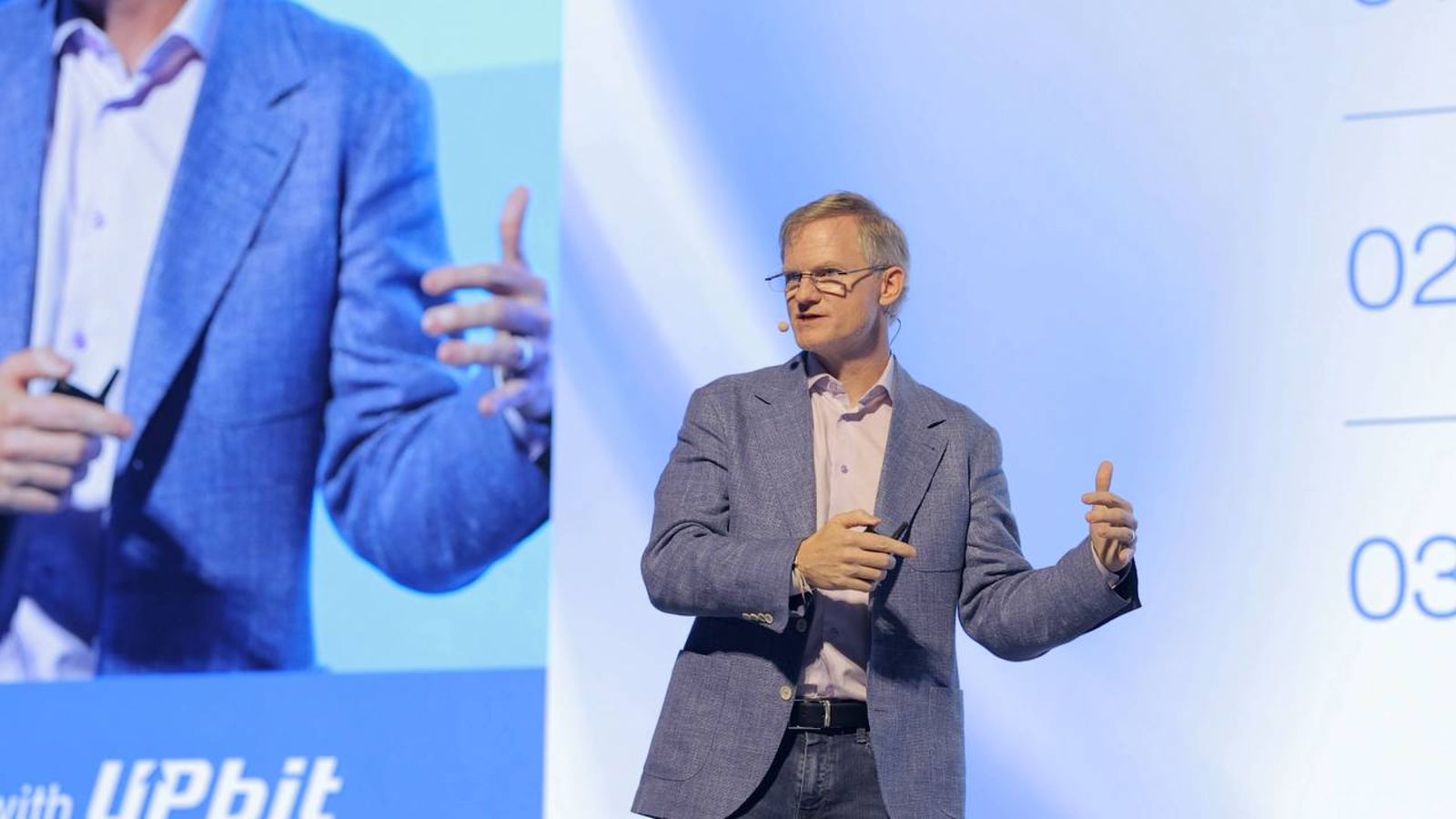
BitGo CEO Mike Belshe said the U.S. Senate's failure to advance the Clarity Act leaves American capital markets exposed to risks from firms combining digital-asset trading, brokerage and custody. The Senate rejected a motion to proceed on September 15 after the bill failed to secure the 60 votes needed to advance. Belshe said BitGo had supported the bill and wanted it passed. Belshe said firms are building operations that combine trading, brokerage and custody without a market structure to mitigate the risks. Belshe pointed to Coinbase, which recently received a derivatives clearing organization license in addition to its existing futures commission merchant license and exchange. Belshe said exchanges have never held custody of assets and warned that losing the private key to a digital bearer asset means losing the money. Belshe said a custody failure at a firm central to digital markets could bring down the entire market. Belshe compared the risk from combining those functions to the 2008 failure of Lehman Brothers, but said the consequences could be worse. Belshe said Lehman failed because it could not see its own exposure, while the financial system survived its collapse. Belshe questioned whether the system could survive a comparable failure at the New York Stock Exchange. Belshe said the absence of the Clarity Act leaves no market structure to mitigate those risks. Belshe argued that relatively small political differences had led lawmakers to put American capital markets at risk. Belshe said BitGo can operate without the law after managing crypto for 13 years. Belshe said banks and other traditional firms, which he described as BitGo's strongest potential competitors, will move more slowly because they fear a return of Operation Chokepoint 2.0. At Korea Blockchain Week 2026, Maelstrom CIO Arthur Hayes argued that stablecoins and other digital currencies cannot serve as native currencies for AI agents because they do not convert directly into computing capacity. Belshe said he would not rule out AI agents paying one another in a form of value they choose, though he thinks that prospect is still some way off. Belshe said those agents would still interact with human systems. Belshe said he expects humans to control AI for much longer than pessimistic AI forecasters predict. Belshe said people will use agents through interfaces based on the dollar or other existing currencies.
This content is an AI-generated summary/analysis for informational purposes only and does not constitute investment advice.