September 27, 14:35
Vitalik Buterin outlines Ethereum's hybrid cryptographic path to 2030
'It's really not just a blockchain anymore': Vitalik Buterin maps Ethereum's path to 2030

The Block
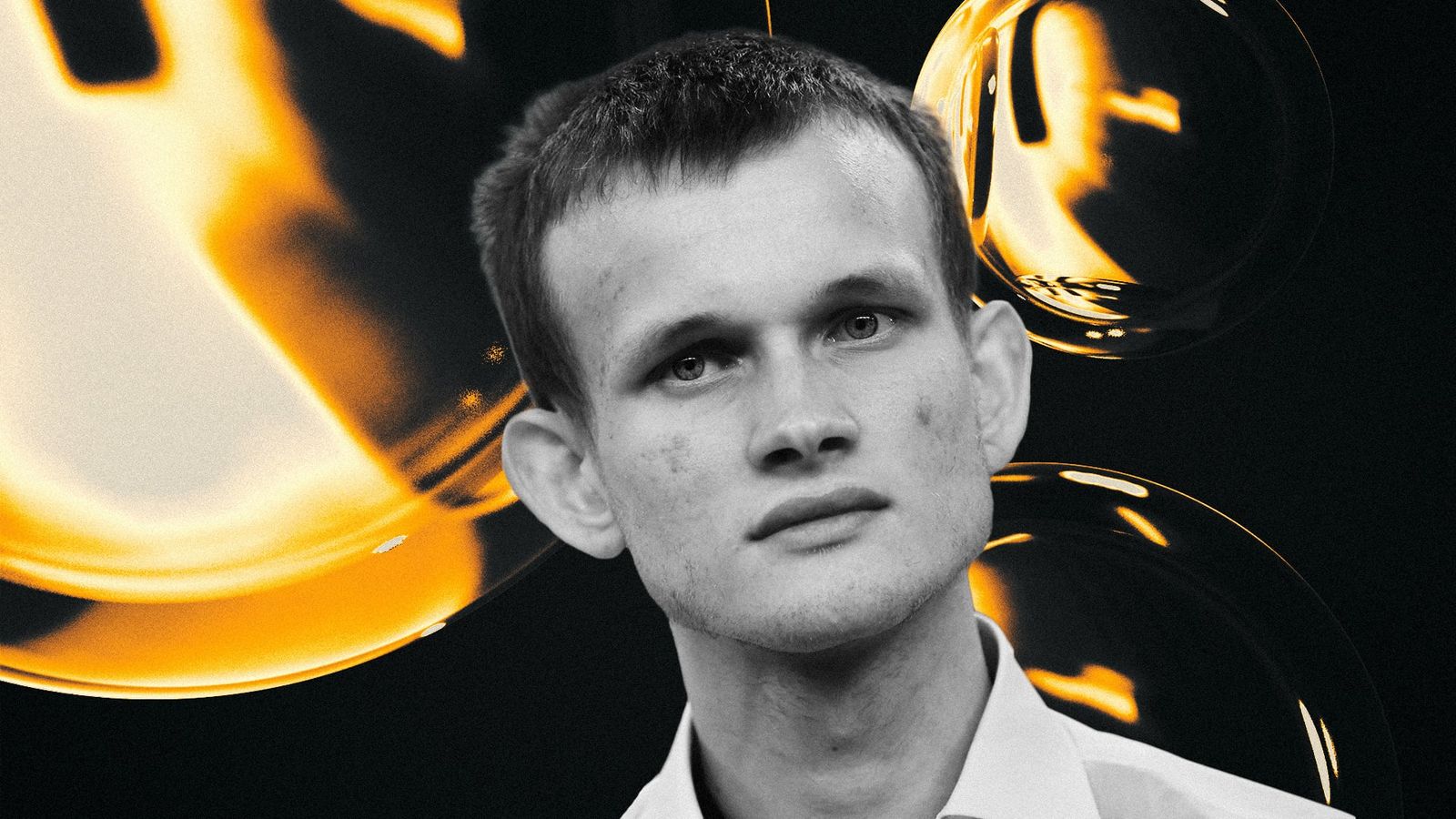
Vitalik Buterin outlined how Ethereum's architecture could change by 2030. He described Ethereum as a hybrid architecture that combines blockchain design with modern cryptography. Buterin projected slots of 4 to 8 seconds by 2030. He projected finality in 8 to 32 seconds. Buterin said the Hegota upgrade planned for next year will likely be Ethereum's last normal fork. He said later upgrades will involve recursive STARKs, automated formal verification, optimized consensus algorithms, and quantum-safe cryptography. Glamsterdam is expected to ship in the fourth quarter of 2026. An Ethereum Foundation post initially projected Glamsterdam for the first half of 2026. Buterin marked up five sections of the Bitcoin whitepaper to explain Ethereum's design changes. He wrote that nodes could sample data through PeerDAS and verify a SNARK instead of downloading and re-executing every block. PeerDAS later will cover full block contents. Buterin wrote that signatures will be aggregated offchain with one signature onchain per block. Under draft proposal EIP-8288, only entry nodes would see individual signatures and proofs. Buterin wrote that FOCIL and possible later extensions will support block construction by multiple participants. He wrote that FOCIL and EIP-8288 will give privacy-preserving transactions a more central role. Buterin said Ethereum itself will not achieve server-level latency. He said infrastructure built around Ethereum could achieve it. Buterin wrote that decentralization can improve performance in limited cases. He said decentralized networks can store more data and perform more computation in parallel. Buterin said decentralized networks can also increase privacy by hiding metadata. He wrote that modern cryptography has solved the problem of verifying work split across randomly selected committees. Buterin said managing and parallelizing access to Ethereum's state will likely be harder than making zero-knowledge proofs efficient and safe. He said Ethereum could undergo one further shift if indistinguishability obfuscation becomes practical. ETH traded near $2,700 on Sunday and was roughly flat over 24 hours.
This content is an AI-generated summary/analysis for informational purposes only and does not constitute investment advice.