September 30, 14:20
SEC staff adds decentralization condition to token buyback guidance
SEC changes token buyback guidance as spending hits $638M

CryptoSlate
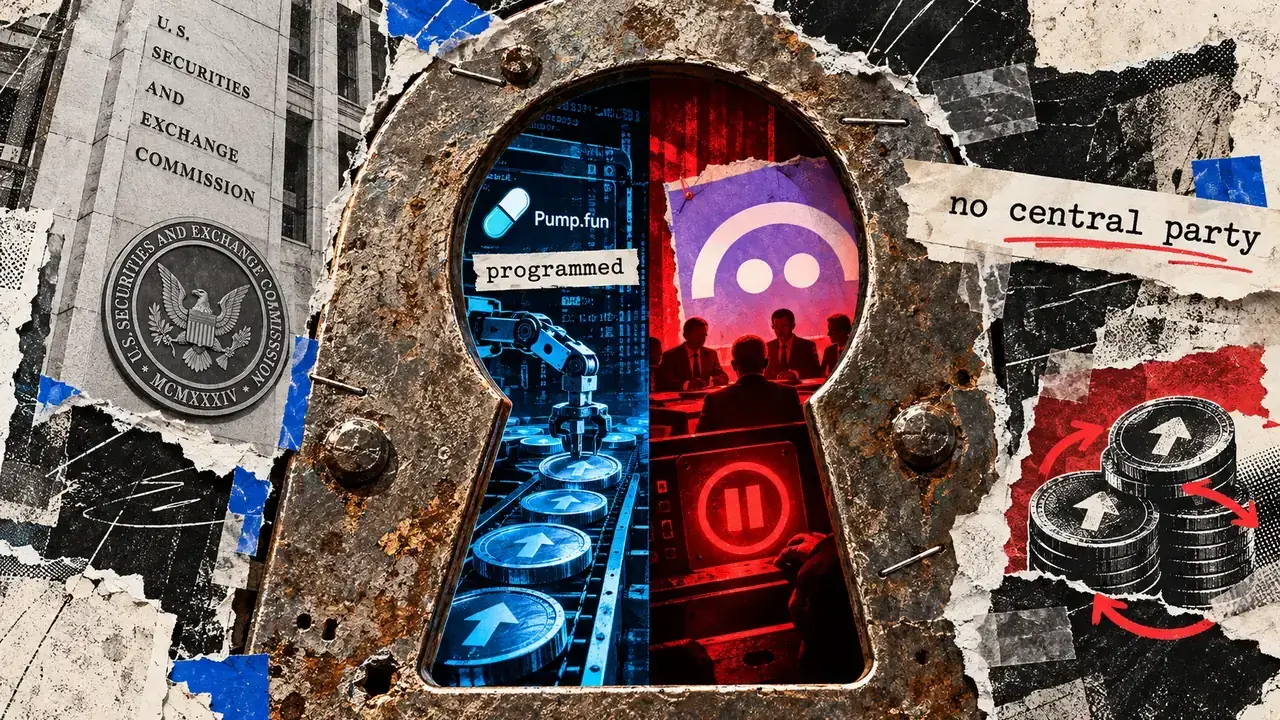
SEC staff revised its crypto token buyback guidance on Sept. 28, three days after publishing it. On Sept. 25, the staff said a token issuer could announce a buyback without the announcement being treated as a promise to manage the token’s value, provided the crypto system was functional. The revised answer adds that the system must have no central party. It says a buyback announcement for a non-security crypto asset does not, by itself, promise essential managerial efforts when both conditions hold. SEC staff says an issuer’s buyback announcement could count as such a promise if the system is not yet functional and the issuer presents purchases as a way to generate yield or returns for holders. The FAQ reflects staff views; it is not legally binding and does not determine whether any particular token is a security. Crypto projects spent a record $638 million on token buybacks through late August, according to previous CryptoSlate reporting. The SEC’s March crypto-asset interpretation defines a central party as a person, company, or group with operational, economic, or voting control over a crypto system. Under that definition, control of a treasury or buyback program does not automatically establish control of the entire system, but it can be evidence of economic control. The distinction matters when a smart contract makes some purchases automatically but a company, committee, or DAO can decide whether others happen. In an April 28 disclosure, Pump.fun said references to PUMP purchases and a buyback program generally described plans or smart-contract functions, not a firm promise to buy tokens. Pump.fun excepted purchases programmed to happen automatically through on-chain code deployed before April 28, 2026 UTC. Pump.fun said statements about using roughly 50% of platform revenue for token purchases were estimates, not guarantees, and that third parties could make some purchases. The PUMP token page says 50% of defined platform revenue was programmatically locked and allocated to be burned for one year beginning April 28. The page also says future purchases can generally be started, stopped, or changed unless they were already programmed to happen automatically. The disclosure refers to code deployed before April 28 UTC; the token page refers to activity programmed before April 29. Those descriptions do not establish whether Pump.fun has a central party under the SEC’s system-wide definition. In a Feb. 28 funding update, DAO service provider TokenLogic said the Aave Finance Committee could adjust weekly AAVE buyback volumes within a 75% range based on factors including liquidity, market volatility, timing, and protocol revenue. TokenLogic said the DAO had allocated $42 million to buy more than 205,000 AAVE during the program’s first 10 months. An April 22 governance notice said AAVE buybacks had been paused from April 19 after an rsETH bridge incident the previous day. TokenLogic said the pause gave the treasury more flexibility while the incident’s consequences were assessed, and said any restart would be announced in a normal funding update. An August/September funding update included AAVE among assets eligible for purchase under updated token budgets. However, that update did not clearly state that buybacks had restarted or record completed purchases after the pause. The committee’s ability to change or pause purchases does not, by itself, establish that Aave has a central party under the SEC’s system-wide definition.
This content is an AI-generated summary/analysis for informational purposes only and does not constitute investment advice.